Good Sleep Matters
Ten Foundations for Restful & Restorative Sleep
-
Limit screen time before bed. Avoid phones, tablets, computers, and other screens for at least one hour before bedtime.
-
Maintain a consistent sleep schedule. Aim for the same bedtime and wake-up time each day, and avoid naps after 3 p.m.
- Keep your bedroom cool. A room temperature of approximately 18°C can help create a comfortable sleep environment.
- Create a dark sleep environment. Minimize light exposure by using blackout curtains and/or an eye mask.
- Reduce noise and disruptions. Use earplugs if necessary, and consider separate sleeping arrangements if a partner’s movements or noise regularly disrupt your sleep.
- Avoid eating late at night. Where possible, finish eating after dinner and avoid late-night snacking.
- Limit alcohol, nicotine, and caffeine. Avoid alcohol and nicotine close to bedtime, and minimize caffeine intake twelve hours before sleep.
- Dim the lights. Begin lowering the brightness in your home approximately two hours before bedtime to help create a relaxing nighttime environment.
- Wind down with a warm shower or bath. Enjoy a warm bath or shower into your evening routine can help signal that it is time to wind down.
- Keep your bed dedicated to sleep and intimacy. Avoid using your bed for work, watching television, scrolling on your phone, or other stimulating activities to strengthen the association between your bed and restful sleep.
Sleep is so important that we spend one third of our lives doing it.
Many of us are chronically underslept however, and if you experience fatigue throughout the day, that is an indicator you are not achieving adequate rest. 7 to 9 hours of sleep is considered optimal in adulthood. Additional signs of healthy sleep include falling asleep within 15-20 minutes, staying asleep easily and feeling rested upon waking. [i] Unfortunately, on a societal level, we are chronically sleep deprived, with estimates that 35% of us are not getting the recommended 7+ hours of sleep per night.[ii]
According to the Center for Disease Control (CDC), an estimated 1 in 25 adult drivers report having fallen asleep while driving in the previous 30 days. Recent estimates indicate that drowsy driving cause up to 72,000 crashes, 44,000 injuries and 800 deaths[iii]. It is suspected that even these numbers are underestimated, and that likely closer to 6,000 fatal crashes each year are caused by drowsy drivers.[iv]
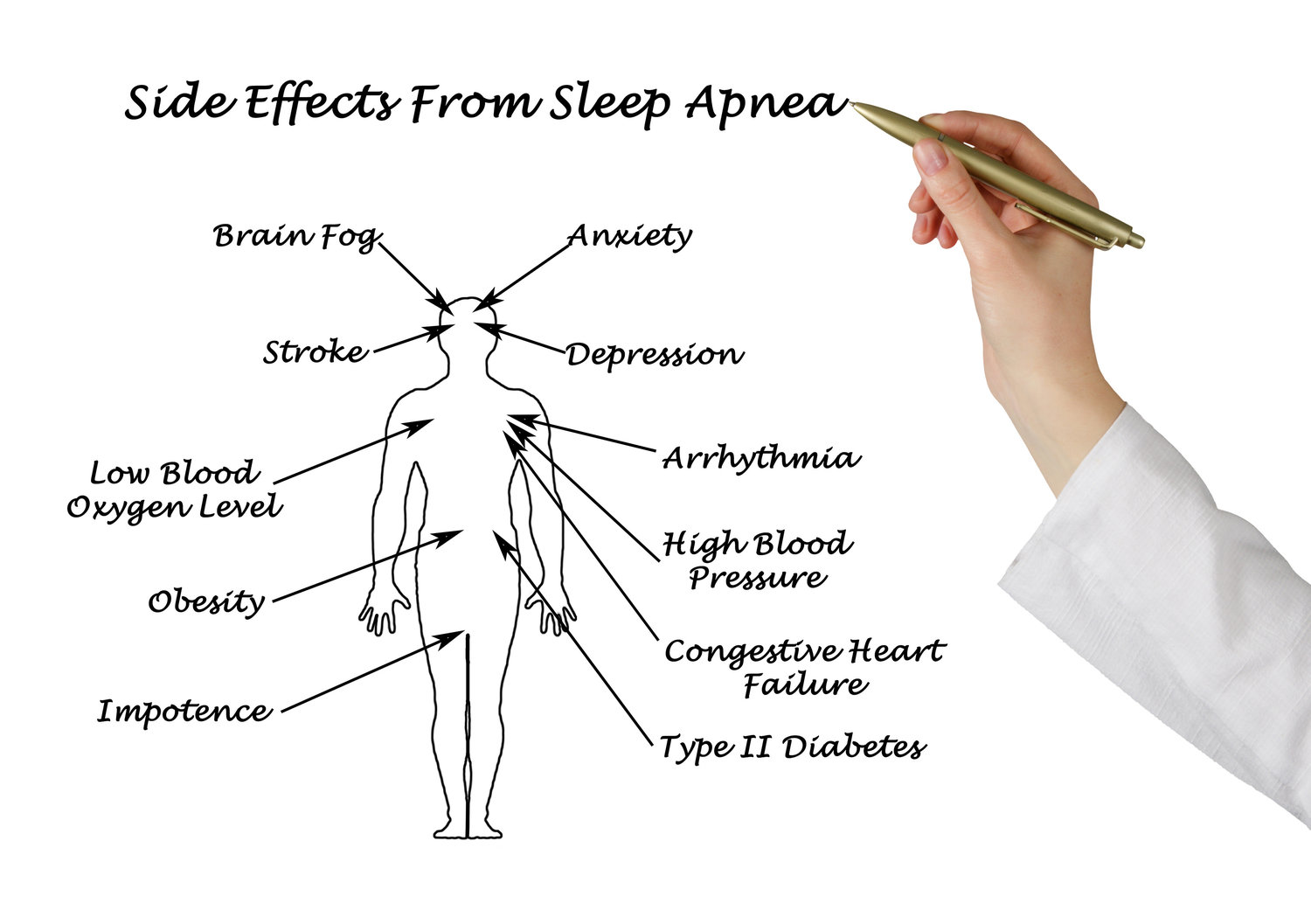
Adults and children are more likely to be obese with the less sleep.[v] After a poor night’s sleep, you crave more carbohydrates for the following days and tend to consume more calories. [vi] Down the road, from middle age to older adulthood, people who report not getting enough sleep are twice as likely to be diagnosed with type 2 diabetes.[vii] Finally, short sleepers (less than 7 hours) have an estimated 12% increased risk of all-cause mortality (the death rate from all causes of death). [viii]
References
[i] Stepanski, E. J., & Wyatt, J. K. (2003). Use of sleep hygiene in the treatment of insomnia. Sleep medicine reviews, 7(3), 215-225
[ii]https://www.cdc.gov/media/releases/2016/p0215-enough-sleep.html
[iii]https://www.cdc.gov/features/dsdrowsydriving/index.html
[iv]https://www.cdc.gov/features/dsdrowsydriving/index.html
[v] Cappuccio, F. P., Taggart, F. M., Kandala, N. B., Currie, A., Peile, E., Stranges, S., & Miller, M. A. (2008). Meta-analysis of short sleep duration and obesity in children and adults. Sleep, 31(5), 619-626.
[vi] Markwald, R. R., Melanson, E. L., Smith, M. R., Higgins, J., Perreault, L., Eckel, R. H., & Wright, K. P. (2013). Impact of insufficient sleep on total daily energy expenditure, food intake, and weight gain. Proceedings of the National Academy of Sciences, 110(14), 5695-5700.
[vii] Mesarwi, O., Polak, J., Jun, J., & Polotsky, V. Y. (2013). Sleep disorders and the development of insulin resistance and obesity. Endocrinology and Metabolism Clinics, 42(3), 617-634.
[viii] Cappuccio, F. P., Taggart, F. M., Kandala, N. B., Currie, A., Peile, E., Stranges, S., & Miller, M. A. (2008). Meta-analysis of short sleep duration and obesity in children and adults. Sleep, 31(5), 619-626.